Engineering Judgement For Electrochemical And Process Systems

ElectroChemX helps operators, developers and investors answer the question underneath the data: what is actually happening inside the asset, and what should be done about it. The method is controlled-perturbation diagnostics; the output is a decision you can defend.

Electrochemical · Process & Water

Compatible Industries

Eleven systems, one way of reading the evidence.

Batteries

Electrochemical Systems

Batteries

Verify The Battery – Know The Mechanism

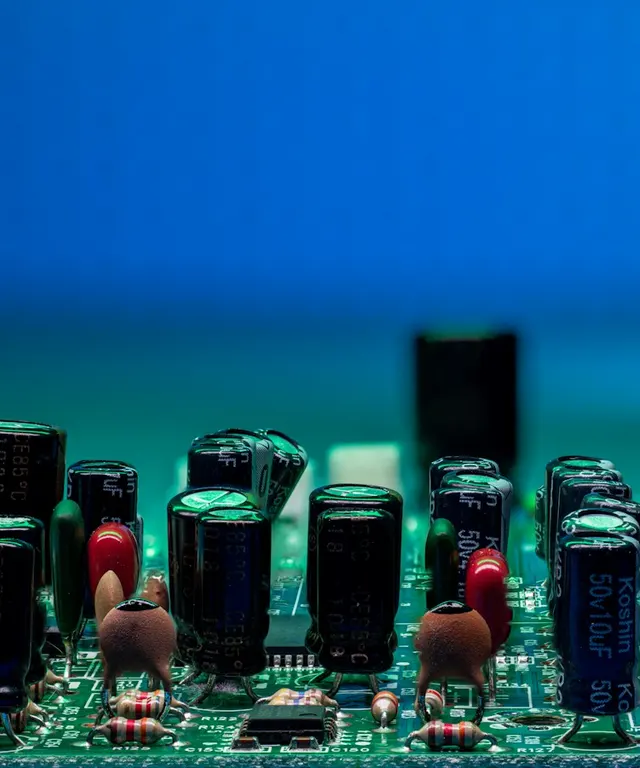
Batteries, Capacitors & Fuel Cells

Li-ion health and safety screening, high-reliability capacitors, PEM and solid-oxide stacks, electrolyzers

  1. Batteries: Verify The Battery – Know The Mechanism
  2. Capacitors: Measure The Capacitor – Know The Life Left
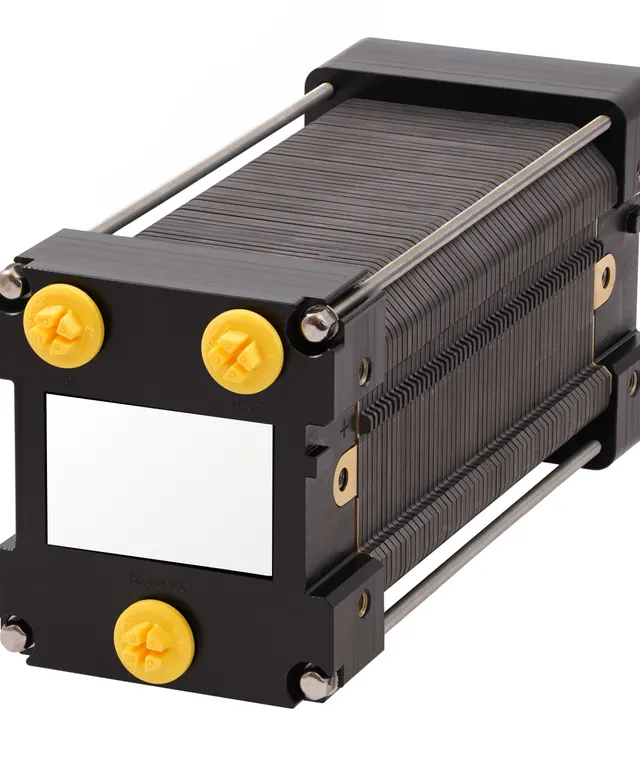
  3. Hydrogen and Fuel Cells: Measure The Stack – Stop Flooding And Drying
  4. Electrowinning and Metals Recovery: Measure The Cell – Stop Guessing
  5. Flow Batteries: Measure The Stack – Stop Guessing
  6. Electrochemical Sensors: Trust The Sensor – Or Know When Not To
  7. Sand and Slurry Pipelines: Measure The Sand – Stop Guessing
  8. Desalination and Brine: Measure The Membrane – Stop Guessing
  9. Produced Water: Measure The Pilot – Trust The Result
  10. Bioreactors: Trust The Probe – Without Pulling It
  11. Geothermal: Measure The Loop – Stop Scaling

Application Areas

Six Areas,One Way Of Reading The Evidence

  1. Metals
  2. Storage
  3. Flow
  4. Water
  5. Bioprocess
  6. Pipelines

Case File

01 / 06

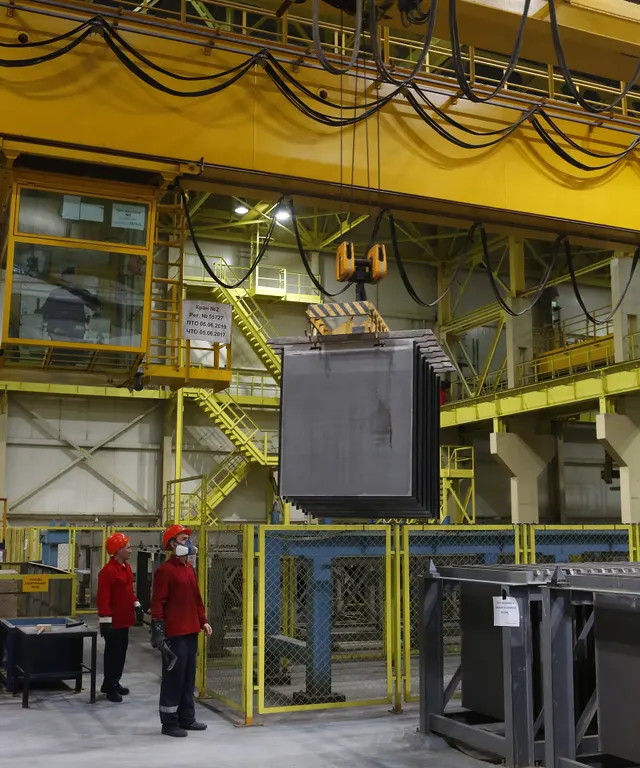
Electrowinning & Metals Recovery

Copper and critical-metal electrowinning, electro-extraction from variable feeds, direct lithium extraction, reductive and mediated leaching

Questions We Answer

  • Why is current efficiency dropping, and is it the feed, the electrolyte or the electrode?
  • Can this cell run on variable, renewable power without losing deposit quality?
  • How far has the DLE sorbent or column degraded, and when should it be regenerated or replaced?
  • Is the mediator chemistry in a regenerated-reductant process holding up cycle to cycle?
Next, Batteries, Capacitors & Fuel Cells.

What You Get

  • 01Cell-by-cell and stage-by-stage health, in operation
  • 02Mechanism attribution behind the efficiency loss
  • 03Set-points that adapt as feed and power vary

Case File

02 / 06

Batteries, Capacitors & Fuel Cells

Li-ion health and safety screening, high-reliability capacitors, PEM and solid-oxide stacks, electrolyzers

Questions We Answer

  • Which cells are degrading, by which mechanism, before it shows up as capacity?
  • Is this end-of-life or returned battery safe to handle and transport?
  • What is consuming the life of this capacitor, and how much is left?
  • Is the stack flooding, drying or losing catalyst, and which set-point fixes it?
Next, Flow Batteries & Electrolysis.

What You Get

  • 01Health verification in the field, without a lab instrument
  • 02The mechanism, not just the number
  • 03Outliers flagged before they take the pack or lot down

Case File

03 / 06

Flow Batteries & Electrolysis

Vanadium and organic flow batteries, CO₂ and bipolar-membrane electrolysis, electrosynthesis

Questions We Answer

  • Is it the electrolyte, the membrane or the electrode that is drifting?
  • When should we rebalance, and when should we replace the membrane?
  • Is the electrolyzer's selectivity loss a catalyst problem or a transport problem?
  • Does the 10-cell stack behave like the single cell did?
Next, Water, Desalination & Produced Water.

What You Get

  • 01Which component is drifting and how fast
  • 02Maintenance triggers tied to evidence
  • 03Capacity-fade attribution for warranty and operations

Case File

04 / 06

Water, Desalination & Produced Water

Reverse osmosis and brine concentration, mineral recovery, produced-water treatment pilots, industrial water

Questions We Answer

  • Is the membrane fouling, scaling or compacting, and which stage?
  • Has the inlet water changed, or has the process drifted?
  • Is the sensor telling the truth, or is the trend an artefact?
  • When is the right time to clean, dose or replace?
Next, Bioprocess & Reactor Scale-Up.

What You Get

  • 01Fouling, scaling and drift separated, per stage
  • 02Clean-in-place and dosing on evidence, not calendar
  • 03Pilot results that stay comparable across campaigns

Case File

05 / 06

Bioprocess & Reactor Scale-Up

Cell-culture and fermentation bioreactors, in-line sensor verification, scale-up / scale-down equivalence, tech transfer

Questions We Answer

  • Can we trust this probe without opening the reactor?
  • Is the 2 L model actually representative of the 2,000 L tank?
  • Will the process transfer to the receiving site and behave the same?
  • Which comparability argument will stand up to review?
Next, Pipelines, Solids & Process Fluids.

What You Get

  • 01Probe health verified in place
  • 02A measurable equivalence basis for scale-up and scale-down
  • 03Fewer interventions in a closed system

Case File

06 / 06

Pipelines, Solids & Process Fluids

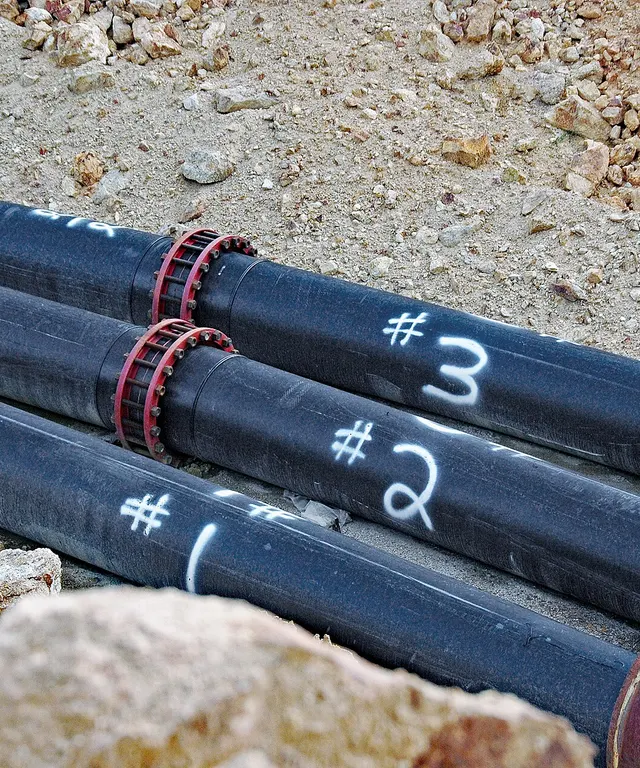
Sand and solids in oil-and-gas and mining pipelines, hydrotransport and dredging, geothermal scaling, liquid-cooling coolant health

Questions We Answer

  • Where is the sand settling, and is it still flushable or does it need a pig?
  • How urgently does each section need attention?
  • Is the geothermal loop scaling, and is the inhibitor dose right?
  • Is the data-center coolant still within spec, or quietly degrading?
Back to Area 01. Electrowinning & Metals Recovery

What You Get

  • 01A section-by-section condition map from existing instruments
  • 02Flushable-versus-pig classification with urgency
  • 03Dosing and cleaning intervals set by the asset, not the calendar

How An Engagement Runs

From First Message To A Decision You Can Defend

  1. 01

    Scoping Call

    A short conversation to pin down the decision, the evidence you already have, and what a useful output looks like.

  2. 02

    Evidence Review

    Existing data, test conditions and assumptions are read critically before any new measurement is proposed.

  3. 03

    Diagnosis Or Test Design

    Where the data resolves the question, we say so. Where it does not, a focused plan to get the missing evidence, no broader than the decision requires.

  4. 04

    Decision-Ready Output

    A written view of what is supported, what is not, and the recommended next step, with the control logic or test protocol attached when there is one.

A decision you can defend. The first engagement costs nothing but data, and it tells both sides whether a larger one is worth doing.

Services Value To The Industry

Five Ways Of Engagement

  1. Retrospective Diagnostic Review

    Where Most Engagements Begin

    You send operating data you already have: impedance sweeps, charge curves, pressure traces, probe logs, pilot records. We test whether the method can see what you need it to see and report what it found, including when the answer is “not from this data.”

    Details

    For
    Anyone with an asset that drifts and a dataset nobody has fully mined
    Shape
    Fixed scope, no hardware, typically a few weeks

    You Leave With

    A Written Assessment, The Mechanisms The Data Resolves, And A Go / No-Go On A Pilot

  2. Technical Due Diligence

    An independent read of a technology claim, a dataset or a scale-up argument before an investment, a partnership or a purchase order. Performance data, readiness assumptions and degradation evidence read critically, with prior art and freedom-to-operate flagged where they matter.

    Details

    For
    Investors, corporate development, procurement, grant and prize reviewers

    You Leave With

    A Risk-Ranked Technical View And A Clear Recommendation

  3. Diagnostic Design And Pilot

    Instrumentation selection, perturbation protocol, analysis pipeline and a bench or field pilot on your asset. We own our own impedance instrumentation and can run on your site or at a partner lab.

    You Leave With

    A Working Diagnostic Validated Against Ground Truth, With Control Logic Your Engineers Can Run

  4. Technology And IP Strategy

    Technology assessment, IP opportunity mapping, provisional drafting, and non-dilutive capture through SBIR, STTR and prize competitions. Thirty years of doing this for our own programs and for partners.

    You Leave With

    A Defensible Position And A Funded Path To Prove It

  5. Fractional CTO And Technical Advisor

    Ongoing technical leadership for companies building electrochemical or process technology: roadmap, team, test strategy, investor and agency reviews.

    You Leave With

    Senior Judgement On Call, Without A Senior Hire

  6. What This Is Worth, And To Whom

    Value To The Industry

    Most assets are run on steady-state measurements and scheduled maintenance. Both are blind to the mechanism. Perturbation diagnostics replaces guessing with attribution, and attribution is what changes the economics.

    1. 01

      Downtime That Was Avoidable Becomes Avoided

      Early warning arrives when there is still time to act: before the pack fails, the membrane fouls past recovery, or the section needs a pig.

    2. 02

      Maintenance Follows The Asset, Not The Calendar

      Cleaning, dosing, rebalancing and replacement are triggered by measured condition. Fewer interventions, and none of them late.

    3. 03

      Capital Decisions Rest On Evidence

      Whether the question is a vendor claim, a scale-up promise or a technology to acquire, an independent mechanism-level read lowers the chance of an expensive surprise.

    4. 04

      No New Hardware To Qualify

      The method reads instruments the plant already has, which keeps the first engagement small and the path to adoption short.

    5. 05

      Comparability That Survives Review

      For pilots, scale-up and tech transfer, a measured equivalence basis is worth more than a narrative one.

    Who It Serves

    • Operators And Plant Owners

      Metals, water, oil and gas, geothermal, data-center cooling. You get mechanism-level condition monitoring from the data you already collect.

    • Technology Developers And Startups

      Batteries, electrolyzers, flow batteries, DLE, bioprocess. You get a sharper test plan, a scale-up argument that holds, and IP strategy to protect what you learn.

    • Investors, Funders And Corporate Development

      You get an independent, risk-ranked read of a technical claim before capital or credibility is committed.

Ready To Discuss A Project?

Technical Questions That Matter Most

Describe the system, the decision, and the data you have. That usually produces the most useful first conversation, and it tells us whether a retrospective review is the right first step.

  • A written assessment of what your data resolves
  • The mechanisms identified and ranked
  • A clear recommendation: proceed to a pilot, change a set-point, or stop here

Relevant enquiries receive a reply within two business days.

Start A Technical Discussion

Fields marked with an asterisk are required.

Which Area?